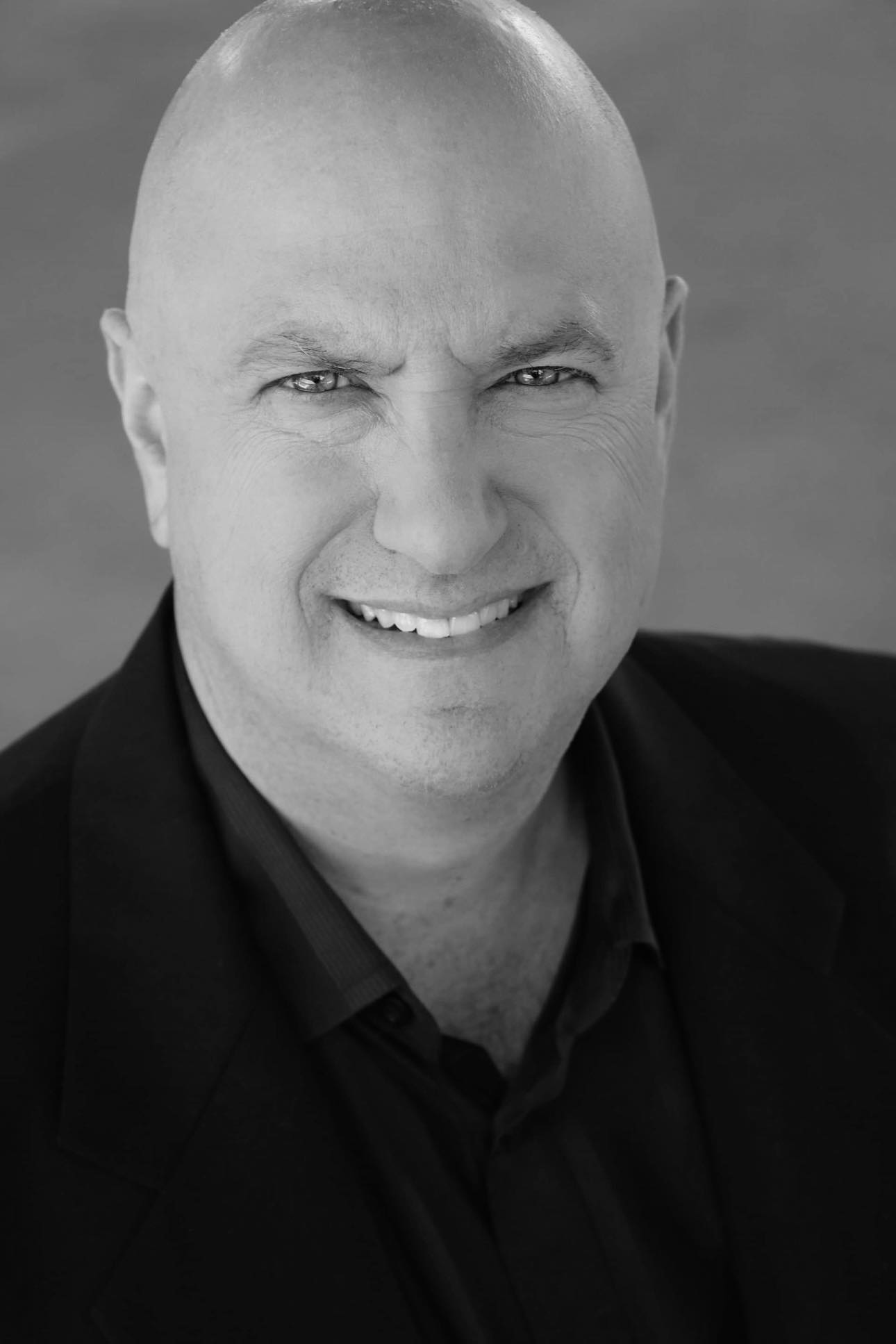
First of all, a man, a masculine man. A man with a vision who makes films without constraints or limits. Knows for his feature film Hexing, starring Domonique Swain, and his short movie reverse, conceptual thriller multi-Awarded starring Camille Solal.
Over the years, he has trained in every technical department related to image and sound, mastering and controlling them all like a martial art. There’s no area he can’t master: he’s autonomous, so he can shoot under any conditions, with or without a budget, with a small crew, alone or with others. He puts his skills at the service of his art and others, as he teaches what he has learned and passes it on to future generations. For him, autonomy is the key to creation, and not depending on any system to tell a story is crucial. However, he is aware of the limits of his system, and knows that cinema is told by many, so he knows how to surround himself and share his vision. And he respects the rules of filmmaking. Christophe Lenoir is an artist/director/screenwriter/editor/sound designer/motion designer/producer/trainer/ who loves cinema, concepts, graphic films, emotions, great stories, actors and actresses, and who wishes more than anything to share his vision with as many people as possible by making films that are powerful, graphic, rich in emotion, technically advanced and popular. He excels in the thriller and fantasy genres, which he particularly likes because they are graphic, technical, conceptual and emotionally intense.
–What inspired you to become a filmmaker?
In the beginning, I wanted to be an actor. I must have been 7 years old, and Jean-Paul Belmondo fascinated me: he was twirling, joyful, unpredictable, funny, in action, I had my idol and I wanted to be like him. Over time, I became more interested in cinema and discovered what was going on behind the camera. There were several films that made an impression on me, but the ones I remember most are Hitchcock’s North by Northwest and Emir Kusturika’s Arizona Dream, and although they’re variations on the same film, they made an impression on me for different reasons. I experienced directing with North by Northwest, and poetry with Arizona Dream, and my greatest inspiration would be to condense these two segments into a poetic thriller, carried by the grace of the divine in a world that is searching for itself, opaque and dangerous.
-Do you think the cinema can bring a change in the society?
Yes, absolutely. I’m thinking about Veroehven’s film Hollow Man, for example, where special effects enabled science to progress in the medical field.
Kubrick’s 2001: A Space Odyssey for the conquest of space, and the Ted Lasso series, recently released on Apple TV, help people in their daily lives, because the series is built around self-esteem and awareness, and the work that needs to be done on oneself to progress in one’s life.
There are so many examples to cite. Jules Verne wrote that what man dreamed in his century would come true in the next, and I think cinema is a catalyst of perspectives that enables us to project onto a screen the world we want to have, the world we have, and the world we should have.
–What would you change in the world?
If I could, I’d bring education everywhere. I’d make it possible for everyone to have a roof over their heads and food on the table, to learn, to train, to know themselves and to evolve and progress towards the path of truth.
This is the awakening that will enable the world to flourish and erase inequalities.
Eventually, I’ll make a film about this, about a character whose life path, choices and desire to surpass himself will inscribe infinite possibilities in the collective unconscious. I think Americans do this very well, and they model our lives on very different aspects of our respective cultures, and it’s not just about Coca Cola. I’m thinking of Rocky, : incredible impact on my generation.
-Where do you see the film industry going in the next 100 years?
The Las Vegas sphere sets the tone, the union of stage and special effects immerses the audience and makes the show total!
You’ll see the Titanic sink in front of your eyes, and the actors will make the story evolve on stage, just like in a film, cut and paced in the same way.
Re-live the Punic Wars, the rise of Hannibal, the triumph of Charles V…
But in a way, cinema will remain on traditional screens, like books on paper. Because they create an intimate connection with each viewer, and more than the spectacle it’s the connection to oneself and to our emotions that remains the most important thing. And that’s what cinema is: a mirror space in which our respective lives are played out and carried by others.
Joseph Michael Vrola is a writer, actor and producer born in New Jersey. His first feature film, “Buzzkill New Jersey” came out in 2019 and won the Fangoria Magazine Special Prize Award at NJ Horror Con Film Festival. It was an amazing honor for him to have such an established horror publication give the film such praise. Joe began creating “New and Forever” in 2021 as a seven part series. After casting Chappell Bunch as the female lead “Lauren,” Vrola decided to cut most of the side plots and characters, turning the central story of the newlywed couple into a film. A trailer for Joe Vrola’s next project can be seen in the festival screening of “New and Forever.” This sci-fi satire series is being kept secret for the time being. There is also a dark and emotional horror film on the horizon. It is set to begin filming December 2023. Vrola is excited to return to the horror genre, as he feels his screenplay is very strong and will appeal to a variety of audiences.
-What inspired you to become a filmmaker?
Writing is my favorite part of the process. Getting my ideas made into movies required me to learn the art of filmmaking. “Buzzkill New Jersey” was a three-year endeavor, which included plenty of mistakes and hard learned lessons about the business side of the industry. My writing style has changed to factor in the jobs of director and producer when creating stories.
-Do you think the cinema can bring a change in the society?
I believe that the advancement of film and television is one of humanity’s greatest accomplishments. As we embark through an era of technological leaps, the potential for films and other motion picture projects to inspire audiences also grows.
-What would you change in the world?
I would like to see more people believe in God and salvation.
-Where do you see the film industry going in the next 100 years?
Divine spirituality is beginning to address its lack of representation in mainstream film. As audiences tire of the constant dopamine-draining imagery currently saturating the industry, demand for a more enlightened medium will be created.
With Artificial Intelligence on the cutting edge, we are about to see a shift in power away from the establishment and towards independent producers. AI will also most-likely create some murky problems when the lines between real and artificial get blurred even further.
I would like to think that I walk along the realm of “normal” but I am guilty of having a very vivid imagination. Thoughts, images, conversations and stories are very intriguing and my source of stimulation.
-What inspired you to become a screenwriter? I never aspired to become a screenwriter. It happened accidentally while I was living in New York City. Every day was a new story and the elements changed. You are not in control and you have to find a way to fit into the developing story. I would read a news article, hear a conversation or people-watch (my fav activity). A story would follow.
-Do you think the cinema can bring a change in the society?
Yes. If the elements of a story can provoke thoughts or awareness, I think that society will become more aware.
-What would you change in the world?
I would start with oppression because that leads to so many social issues like violence, poverty, racial tensions.
-Where do you see the film industry going the next 100 years?
I think it will be more interactive. I think the audiences will be entertained, empowered and enlightened.
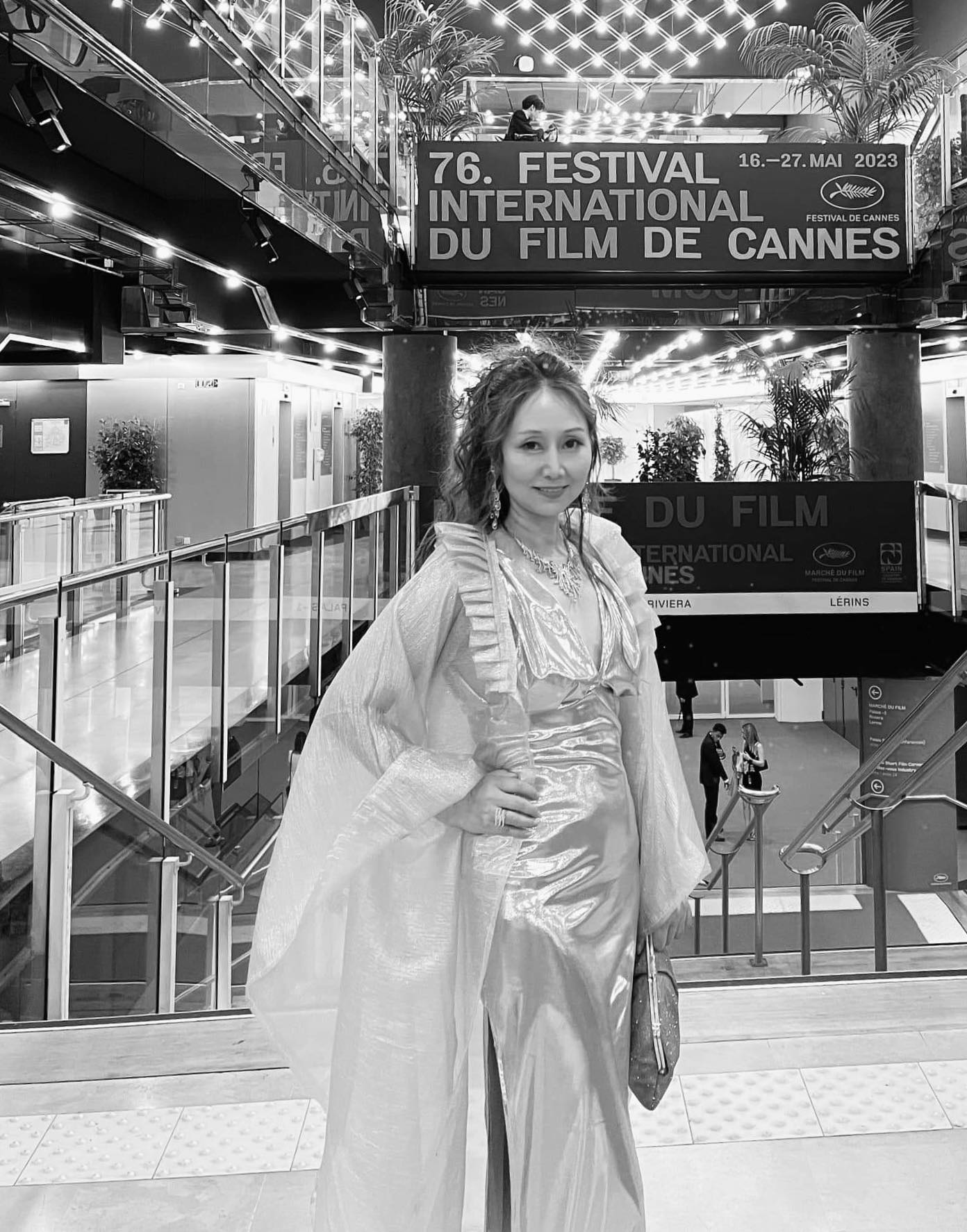
HRH May Liu (IMDB Profile: https://www.imdb.com/name/nm10699373/), an artist, film maker, and philanthropist. Founder of Superstar Art Foundation, Miss Economic World, a non profit organization with mission of helping artists’ dreams. She is award winning filmmaker and published her book “May Liu’s Artwork Collection 2021” in Amazon. Her oil painting was collected by royal families and holly wood celebrities. She was seen in FOX, NBC, CBS, US Times.
A Noble Chivalry Rank of Art & Humanity Consul was issued to her by the Imperial Order of Culture and Peace. As descendent of royal family Liu from Han dynasty, she wrote a book “Royal Family Liu’s History & the Decryption of Han Culture”, available for sale at official website: www.royalfamilyliu.com
Film Awards and Credits: Jury member of Film Finance Award in Cannes 2012; Vice-chair of the 2018 US-China International Film festival in Texas. She was film producer for 7 movies, won Best Screenplay award in 2018. She has been involved in the financing deal for movies: “The Revenant” “Escape Plan 2”. Her recent directed independent movie “Lost In 24” released in 76th Cannes Film festival, and won the Best Mystery and Best Actress award in Rome International Movie Award.
including: Elon Musk, Queen Elizabeth, Da Vinci, Mona Lisa, Marilyn Monroe etc.
In January 2022, her NFT oil painting “Roaring Tiger 2022” was showcased in New York LED screen Time Square. and was made into art coin token.
Philanthropic effort: PPE donation to Wu Han city. “F1 Monaco” painting donation in Monaco for fund raising for Ukraine. “Portrait of HRH Prince Emmanuel of Savoy” oil painting donation to Savoy foundation for helping children. “This is what I want for Christmas” oil painting created for Sir Earl Toon Foundation. Miss Economic World scholarship program, and Superstar Awards program. She had master degree in Finance in Baruch CUNY.
–What inspired you to become a filmmaker?
My filmmaker career started when I was an investment banker about 10 years ago, I happened to be involved in a movie financing deal, and had a chance to work with a Hollywood film production team for a big budget movie, and learned quite a few experiences from them, that inspired me into the movie business. Also, when I first direct my movie ” Lost In 24″, my film producer Keith Collea also gave me some valuable advice, I really appreciate his advice.
-Do you think the cinema can bring a change in the society?
Absolutely. Cinema has the potential to bring about significant changes in society. It is a powerful medium that can influence people’s thoughts, emotions, and perspectives on various social, cultural, and political issues. Here are some ways in which cinema can contribute to societal change:
1. Raising Awareness: Films can shed light on important social issues, injustices, and challenges that may be overlooked or ignored by mainstream media. They can bring such issues to the forefront of public consciousness, sparking discussions and prompting action. 2. Promoting Empathy and Understanding: Cinema has the ability to humanize diverse individuals and communities, fostering empathy and understanding among people from different backgrounds and experiences. This can help break down stereotypes and reduce prejudice. 3. Advocating for Change: Many films are explicitly made to advocate for specific causes, encouraging audiences to support and engage in social and political movements. 4. Cultural Exchange: Cinema allows people to experience different cultures, traditions, and perspectives from around the world. This exposure can promote tolerance and appreciation for diversity. 5. Inspiring Individuals: Movies often portray real-life heroes or fictional characters who overcome challenges, fight for justice, or make positive changes in their communities. Such stories can inspire individuals to take action and make a difference in their own lives and society. 6. Documentary Impact: Documentary films, in particular, can have a significant impact on shaping public opinion and policy. They provide in-depth examinations of various issues, helping to inform and educate the public. 7. Questioning the Status Quo: Some films challenge the prevailing norms and values in society, encouraging people to question established beliefs and systems.
However, it is essential to recognize that the impact of cinema on society can be complex and varied. Not all films lead to positive change, as some may perpetuate harmful stereotypes or glorify violence. Additionally, societal change is a gradual process, and films are just one part of a larger ecosystem that includes education, activism, policy-making, and more.
-What would you change in the world?
As a filmmaker, artist, and philanthropist, I understand my actions can have a profound impact on shaping perspectives, influencing society, and making a positive difference in the lives of many. There are several areas I would focus on to bring about positive change in the world:
1. Socially Impactful Films: Use your skills as a filmmaker to create thought-provoking films that raise awareness about pressing social issues. By telling compelling stories, I can engage audiences emotionally and intellectually, encouraging them to take action or support relevant causes.
2. Diverse and Inclusive Representation: As an artist, strive to promote diversity and inclusion in your work. Ensure that my films and artworks reflect the richness of human experiences and challenge stereotypes and prejudices.
3. Supporting Humanitarian Causes: As a philanthropist, I can contribute your resources and influence to support humanitarian causes. Fund initiatives that address poverty, education, healthcare, and environmental sustainability.
4. Art for Social Change: Utilize art as a powerful tool for social change. Organize exhibitions, installations, or public art projects that highlight critical issues and inspire positive action.
5. Empowering Marginalized Communities: Collaborate with local communities and organizations to empower marginalized groups through art and storytelling. Give a platform to their voices and experiences to foster understanding and empathy.
6. Promoting Sustainable Practices: Incorporate sustainability principles into your filmmaking and artistic projects. Advocate for environmentally friendly production methods and encourage the entertainment industry to adopt more sustainable practices.
7. Investing in Education: Support educational programs, scholarships, and initiatives that provide opportunities for underprivileged children and young artists to pursue their dreams and develop their talents.
8. Art Therapy and Mental Health Initiatives: Explore the potential of art therapy in supporting mental health and well-being. Support initiatives that bring the healing power of art to those facing emotional challenges or trauma.
9. Promoting Peace and Conflict Resolution: Create films or artworks that emphasize the importance of peace, empathy, and understanding. Sponsor programs that promote dialogue and reconciliation in conflict-affected regions.
10. Supporting Cultural Preservation: Partner with organizations dedicated to preserving cultural heritage and traditions. Help ensure that cultural diversity is protected and celebrated for future generations.
-Where do you see the film industry going in the next 100 years?
Predicting the exact trajectory of the film industry over the next 100 years is challenging, as technological advancements and societal changes can be highly unpredictable. However, I think some potential trends and developments that may shape the film industry in the coming century include:
Technological Advancements: The film industry will likely continue to be influenced by rapid technological progress. This may include advancements in virtual reality (VR), augmented reality (AR), and immersive storytelling techniques, providing audiences with entirely new and interactive cinematic experiences.
Artificial Intelligence and Automation: AI could play a significant role in film production, from scriptwriting and editing to CGI and special effects. AI-powered tools might streamline the filmmaking process, making it more accessible and cost-effective.
Globalization of Film: With the internet and digital distribution, films from all over the world will become more accessible to global audiences. This may lead to greater cross-cultural collaborations and an increase in diverse storytelling.
Personalized Content: As technology allows for more personalized content delivery, viewers might receive films tailored to their individual preferences and interests, enhancing engagement and viewer satisfaction.
Sustainable Filmmaking: Environmental concerns may drive the industry to adopt more sustainable practices, including eco-friendly production methods and responsible use of resources. Changing Distribution Models: The rise of streaming services and online platforms may continue to challenge traditional cinema exhibition, leading to new distribution models and potentially redefining the theater-going experience.
AI-Generated Content: AI-generated scripts, characters, and even entire films could become more prevalent, blurring the lines between human creativity and machine-generated storytelling.
Expanded Realities: With advancements in holographic technology, films might extend beyond traditional screens, integrating with our physical environments to create fully immersive experiences.
Ethical and Social Impact Filmmaking: Filmmakers may increasingly focus on ethical and socially impactful storytelling, addressing pressing global issues and fostering positive change. Interactive and Participatory Films: Interactive narratives that allow viewers to influence the storyline or outcome of a film could become more widespread, making the viewing experience more engaging and participatory.
I am an entrepreneur and Rabbi, I own 4 companies, Mashugana Production, I produce films including Sheldon Mashugana, and The Macher, Baby boomer buddies medical transport, Standard Medical Co-Op , healthcare company for everyone, and America’s Commercial Agency, we sell commercial insurance. I have 2 kids , Maura 29 and Sean 24 and my wife Danette for 33 years. I started acting in 1979, but didn’t start actually acting until 2011. My short film called School of Idiots has already 270 awards from filmfreeway. I mostly do comedy. I also am a writer, director producer and lead in all of my films. I live in Dallas Texas but originally from Chicago IL.
-What inspired you to become a filmmaker?
I was making my kids laugh all the time and one day I had a joke I was telling my friend from Chicago about Sheldon Mashugana, which came from a radio show in Chicago back in 1976. So I thought maybe I could create that character for real. Then I got with my manager and then my friend BJ and they did the shooting and editing and I did all the rest, including casting director.
-Do you think the cinema can bring a change in the society?
As long as they can get rid of the politics we will be ok, I’m not effected myself, since I”m independent.
–What would you change in the world?
My healthcare company Standard Medical Co-Op, will change the way we do healthcare. It gets rid of the health insurance companies, and goes back to concierge medicine which is far better and cheaper.
-Where do you see the film industry going in the next 100 years?
Mostly digital, it’s getting more and more that way now, The independent producers like me will still do the small films. But the people with a lot more money will go more into digital or more special effects.
I am a filmmaker from Egypt and a co-founder of DASH Group media and film production. An international award-winning creative and film director. I am honored to say that I am one of the Notable Alumni of the New York Film Academy in Los Angeles, USA, and was so lucky to study and graduate from The Lee Strasberg Theatre and Film Institute in New York, USA. I achieved my Bachelor’s and a postgraduate degree in filmmaking and cinema studies from the Academy of Art in Egypt. My whole life, I study and work in the art field, I worked in advertising, animation projects, TV commercials, and films, as a creative, copywriter, designer, animator, and director, and participated in most of the hit campaigns, branding, and TV commercials in MENA over the past decade. And I was honored to win and be nominated for over 80 international and regional awards from different films and advertising festivals.
-What inspired you to become a filmmaker?
Since a young age, I have always been captivated by storytelling. Whether through books, films, or theater, the power of narrative fascinated me. I realized that filmmaking offered a unique medium to convey stories and connect with audiences on a profound level. The ability to transport people to different worlds, evoke emotions, and provoke thought through visuals and storytelling intrigued me. I was inspired by the way filmmakers can create immersive experiences, challenge perspectives, and ignite meaningful conversations. Witnessing the impact that films had on me personally, I knew I wanted to be part of this creative world, using my own stories and vision to entertain, inspire, and touch the hearts of others.
-Do you think cinema can bring change in society?
Absolutely. Cinema possesses a remarkable ability to influence society and spark change. Through storytelling, films have the power to shed light on important social issues, challenge norms, and provoke conversations that lead to a better understanding of ourselves and others. They can amplify marginalized voices, raise awareness about injustices, and inspire empathy and action. By presenting alternative perspectives and showcasing diverse narratives, cinema can challenge societal prejudices and foster inclusivity. It can ignite discussions, encourage critical thinking, and motivate individuals to question the status quo. Films have the potential to shape public opinion, create dialogue, and inspire collective efforts toward positive social transformation.
-What would you change in the world?
As an artist, I believe in the transformative power of art to create a more compassionate, inclusive, and empathetic world. If given the opportunity, I would strive to challenge stereotypes and break down barriers through my work. I would use storytelling to foster understanding and bridge divides, promoting cultural exchange and celebrating diversity. I would tackle pressing social issues, shedding light on topics that need attention and advocating for positive change. I would strive to empower marginalized communities, amplifying their voices and promoting equal representation. Through my art, I would aim to inspire and encourage audiences to embrace empathy, compassion, and the pursuit of a more just and equitable society.
-Where do you see the film industry going in the next 100 years?
The film industry has constantly evolved throughout history, and I believe it will continue to do so in the next 100 years. Advancements in technology will undoubtedly shape the way films are produced, distributed, and consumed. We can expect to see new immersive experiences, such as virtual reality and augmented reality, becoming integral parts of storytelling. The boundaries between traditional cinema, television, and online streaming platforms will blur further, creating new opportunities for filmmakers to reach global audiences. With the increasing demand for diverse and authentic stories, I anticipate a greater focus on inclusivity and representation in the industry. The democratization of filmmaking tools and platforms will empower more individuals to share their unique perspectives, resulting in a broader range of stories being told. Additionally, the film industry will likely play a crucial role in addressing pressing global challenges, such as climate change, social justice, and cultural understanding. Overall, the film industry’s future holds immense potential for innovation, creativity, and impact on society.
After being a successful professional painter all his life, European-based American Michael Lasoff turned to filmmaking in 2011. The scripts and most of the music scores are his own creations. On a low-budget, he writes, directs, edits and promotes his films all alone. In 2013, Lasoff made his first feature film followed by seven more that have been awarded and shown around the world. His films are satiric observations of humanity, with an emphasis on creators like artistes, dancers, and poets struggling to understand and find love. He’s also made sci-fi and neo noir films that deal with heavy issues in a lightweight way.
-What inspired you to become a filmmaker?
When the art world began to collapse, I decided it was time to return to a hobby I had long before art school, making films. The films that really got me excited about filmmaking were “Alphaville” by Godard and “8 ½” by Fellini. Many years later I was able to realise my youthful dreams with a jump into the dark and some money I made from paintings sales.
-Do you think the cinema can bring a change in the society?
No, not directly. Perhaps documentaries can be a wake-up call for certain important issues to be faced in society. Fantasy-rich narratives like I make will not change the world. Perhaps they can awe, console or stimulate the imaginations of a small public. If that is possible, then in my eyes, they have succeeded in doing something positive for whoever enjoyed them.
-What would you change in the world?
I would hope that we all become more environmentally conscious of what we can do to contribute to a cleaner, healthier and socially fair world. I would like to see all wars ended. I would like to see all people becoming better educated. If people could be kinder and better for each other, what a change that would be. But how I would change the world, is too much for my small mind to grasp. I don’t regard myself as the right person to change the world.
-Where do you see the film industry going in the next 100 years?
I am not sure where the film industry is going but if we haven’t blown up the planet, it might be interesting to see stories directly transmitted into our brains with advanced technical mechanics that enhance and mimic all our sensory organs.
FINDINGS is a silent film that tells of the inner struggles of a woman who wants to emancipate herself, but loses herself in her loneliness while searching for a home. Kristina Schippling is a producer, director, cinematographer and screenwriter all in one. At the beginning of the film, the adult protagonist plays with dolls in her dream world and realises that she has long outgrown her role. Then she meets reality. The people she meets wear the same clothes as the dolls. The main character sees them in the same light and treats them like her dolls, tries to arrange them for herself, to put them down like the dolls, to sit down, which of course fails. In the outside world, the young woman experiences a powerlessness that she did not know in her inner world. FINDINGS is an impressive, profound film created by Kristina Schippling.
–Who is Kristina Schippling?
At the end of the day, I am always discovering and trying out new things and I couldn’t settle on one identification at all. I have the feeling that I have already lived many lives, although I am not old.
-What inspired you to become a filmmaker?
I am basically always inspired; I have hundreds of ideas in my head that just come to me. I like to think about femininity. With the film FINDINGS I wanted to show that emancipation wants to change the current conditions, criticism is made – which is also necessary, but there is often a lack of really new alternative proposals and their implementation. Where can women who have moved on
and no longer fit into the old patterns or want to fit in find a connection? What can the new life look like, how can it be found?
-Do you think the cinema can bring a change in society?
Absolutely. Above all, cinema changes people’s perspectives, their views of something. It changes or directs our perception. It makes important information accessible to masses of people. Unconsciously, we adopt the role models of our heroes, want to be like them or deliberately behave in exactly the opposite way. Cinema has a great influence on social processes.
-What would you change in the world?
If it were possible, I would of course wish for peace throughout the world and for the environment and climate to be brought back into balance. Then I would wish for social systems in which the gap between rich and poor is as small as possible, in which there is equality of opportunity, which lets people live in freedom and as they see fit, which includes different lifestyles and alternatives and tolerance of these. And of course, I would also like to see nature protected, respect for flora and fauna, no more deforestation, no more pollution of the oceans, no more cruelty to animals … I can think of many things.
-Where do you see the film industry going in the next 100 years?
I think the technical development will increase. I think we will go from the screen of a film to a whole interactive world of cyber space, which is basically already there now. There are unimaginable possibilities in virtual reality. It is possible that the individual media will mix. Film and computer games could come together in virtual reality and become one consumable project. But it could also be that we as a society lose the common canon and everyone just lives in their own bubble and drifts away. Society basically breaks apart because we have lost the same denominator.
I am a wife, daughter, mother, sister, singer/songwriter, writer, author, advocate for women’s rights, lover of animals, and above all else, I love God. As a professional singer, I have been singing and songwriting since 2005, when I started my career by opening in concert for Willie Nelson, where I also sang one of my original songs “Why’d You Go?”. Before that, I wrote four published children’s books in a series called the Cat Detectives, one of which was endorsed by The Humane Society of the United States, because I am also an advocate for rescuing animals. I also have written numerous screenplays, one of which is currently in the preproduction stage. I am, and always have been, a strong believer in the need for quality, wholesome, family entertainment and I also firmly believe there is a strong market worldwide for that.
-What inspired you to become a singer?
I have always sung – ever since I was a child, and I’ve always loved music. I remember when I was young, I would sing along to the standards with my mom and dad. I also sang duets with my mother, sang at church, was in school and church choirs. Back then, I listened to Karen Carpenter a lot which somewhat helped me develop my musical style today. Karen is one of my idols in music, along with the legendary Frank Sinatra. In the mid-1980s, my husband Bill and I promoted and produced many concerts throughout the United States with famous singers, including several concerts with Frank Sinatra. I studied Frank’s style then (and still do) and his phrasing and delivery of vocals, which of course, was elegantly beautiful. At the time, I also met and was around many other legendary singers, including Italy’s own Luciano Pavarotti, who I had dinner with in 1984 in Oklahoma (USA) (along with my husband and his father, Dr. Nazih Zuhdi, who was personal friends with Pavarotti). Before I met Pavarotti in America, my father-in-law had met Pavarotti backstage at La Scala through his sister, an Italian resident, who knew and socialized with Pavarotti. I’ve also been blessed to work with and open for Mr. Vegas himself, Wayne Newton, a couple of times. Wayne is a consummate entertainer and in watching him during the shows we worked together, I learned from him how to capture and entertain a crowd. He is truly gifted at that. Being around these musical giants, and Pavarotti is clearly in my opinion, the best vocalist of all time, inspired me to be a singer that mattered. Plus, my husband has always inspired, encouraged and supported me throughout my career, and I am who I am today as an artist, because of him. I have always wanted to be a singer that could entertain, make people smile, and I wanted to move people’s souls with my vocals and my delivery, as well move them by the songs I write. I wanted – and still do — to make a difference in the music industry, just as I want to make a difference in the film industry.
-Do you think the cinema can bring a change in the society?
Absolutely. I think cinema is one of the most powerful mediums there are to bring about a change in society, both for the good and the bad. Cinema has always sculpted the morality of a lot of people. Movies have inspired and moved people, not only with content, but also with the musical scores that accompany the film. In the case of an epic, music can make or break a movie. For the good, it can bring about a change in society by creating visually on screen an idealism that makes a situation or character more accepting and hopefully, make society less discriminating. For the bad, it can influence and change a society in advancing that a certain behaviour is acceptable, when it – in a civilized society – should not be.
-What would you change in the world?
I would change the occurrences of domestic violence and make the laws stiffer to help domestically abused women be valued and protected. I would institute plans and educate to help these victims escape their horrific situations to start a new life. This is why I wrote the song a couple of months ago “To All the Gabbys in the World” and the script to the music video, which was produced by my team to create awareness of this urgent worldwide epidemic, in order to motivate, inspire, and strengthen victims of abuse.
Particularly in America, I would change certain laws related to gun control and stop the madness associated with joe blow public’s ability to possess assault rifles. I would change how people hate. I would save animals that need to be rescued.
In my public television Christmas music special ‘Darla Z’s Christmas Round the World’, that ran several years back, my whole goal was to promote that throughout the world, we as a people, are a lot closer than we think. I would love the world to know that through the power of music, we are unified, that music can bring us together. So, I would change the world in a positive way to promote that we are all in this life together, and I would promote peace and love, and caring – to create awareness that globally, there are many people who want good things, positive things, for the world. I would stop all wars, which I know is impractical, but you asked, how would I change the world. I would have only love and peace.
-Where do you see the film industry going in the next 100 years?
I believe in a positive direction. And I would hope the film makers of today and tomorrow will protect the craft of human creation. Unfortunately, I think the use of artificial intelligence (AI) and computer-generated graphics may replace character development, real scenes, and human actors more and more, which is sad, I think. AI and graphics are not real. Humans are real. And real human beings have empathy, emotion, concerns, desires, hopes and dreams. As human beings, we need to see real emotion to understand and appreciate fellow humans. So, if film makers as a collective goal continue to advance stories that are true to human emotion, then the future will be bright for the film industry. Advancements will occur that will make it easier and cheaper to portray our art on screen. Tools will be invented to make it easier on film makers to not only film and record the perfect scene, but also to make it easier on the film maker’s budget. Fortunately for me as a singer and songwriter, music will always be in the film industry because of the strength, stability and emotion it evokes. So, thank goodness, I see music still being prevalent in the film industry in the next 100 years and forever!
Indie Filmmaker out of Seattle Washington/USA, Victor Janusz has enjoyed a prolific multi-disciplinary career, –mainly as a full-time Singer-Songwriter-Pianist (also with VJ Band, which he is frontman for, over 21 years in Washington State). Since 1987, Janusz has also directed theatre, short films, and live musical acts. Since 2019, his main focus has shifted to his original screenplays and films including the internationally acclaimed, award-winning feature “Still I Reach For You” (2023 Release). A new full-length film, tentatively titled “Last Dance, Amelia” is in development.
-What inspired you to become a filmmaker?
My years in the theatre (I was Artistic Director of an Equity-Seattle company called TRIAD Ensemble Theatre from 1987–94) as both actor and director made me fall in love with storytelling on a professional level. AS I moved into music full-time (mainly as a live performer– playing piano in clubs, restaurants, hotels 40 hours/week) I became a prolific songwriter. The Songs would foreshadow the subjects of my films –what stories I could tell in that medium.
-Do you think the cinema can bring a change in the society?
Absolutely. Just look at how popular films –even wildly successful ones! — (sometimes from unexpected places, sources) both reflect and move the conversation forward around topics that obsess our collective consciousness as a society. “Everything Everywhere All At Once”, “Don’t Look Up” “Get Out” come immediately to my mind….
-What would you change in the world?
I’m driven by the concept of individualism, –what makes each being unique –and therefore, the follow-up idea that they can be listened to, worthy of ideas being integrated, worthy of acceptance. If you want to Americanize it, you can say I’m influenced by “liberty and justice for all” –for starters! “Tolerance” as a descriptive has a provocative political ring to it, sadly. But the idea has both theological/religious roots (“Love thy neighbor”, “He that casts the first stone…”) but also triggers the eternal ‘culture war’ : The late, great theatre director Adrian Hall used to mention that the theatre PRE-DATED Christianity! And this fact alone is inflammatory: Anthropological evidence also supports this with finds of cave paintings clearly showing figures assembled in a proscenium “acting out” stories for an assembled, rapt audience!
–Where do you see the film industry going in the next 100 years?
I can only visualize the trend continuing of more, disparate, unique voices emerging from all kinds of places– telling their stories, sharing the experiences that were ‘game-changers’ for them, sharing their lives through cinema. My own film “Still I Reach For You” emerges from one of the most significant –painful–episodes of my life that have colored every day since it happened. As an “AIDS Widow” –I want the world to know this demographic, this group of survivors exists! That this fallout from the AIDS nightmare happened, –and is happening.